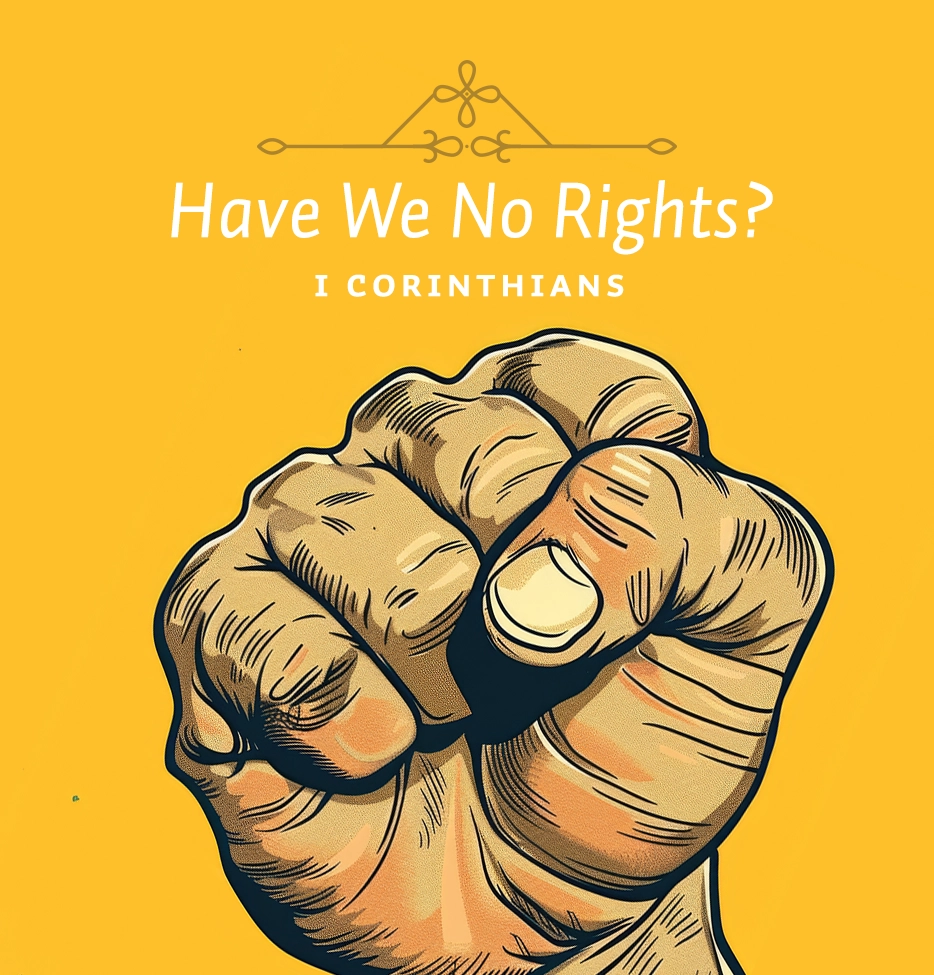
We recognize the reality of rights even in a secular way. In our Declaration of Independence, we talk about the right to life, liberty, and the pursuit of happiness. Every human being has a right to life, yet for some this right is being denied in our time. We believe that liberty is something that is a right given to us by God. Anybody who tries to take away liberty is fighting against God, and, furthermore, is fighting against the standards by which we are willing to live and die. Lastly you have the pursuit of happiness. Notice that no one has the right to happiness; that is not something you can guarantee. But you can guarantee an environment in which a person has the right to pursue happiness so long as it is done in the right way and does not harm other people. This helps to foster a system of free enterprise so that people who think that happiness is to be found in the accumulation of goods have a right to pursue that. We believe in equal opportunities in education so that those who want to use that as a means to further happiness may do so.
Not only does our secular government speak of rights; the Bible does as well. All you have to think of in that connection is the thirteenth chapter of Romans where Paul is writing about the state and the rights established by God for it. The citizens of a government are to give what is due, whether taxes, revenue, respect, or honor (v. 7). So both from the secular standpoint and also from a biblical standpoint, you have to talk about rights. There are rights that the state has, and there are rights that individuals have.
That does not mean, however, that everybody has equal rights. For example, the student who does well in school has the right to a better grade than the student who does not do the work. There are other specific rights that are due to certain individuals because of who they are or what they have done. And unless you recognize this basic category of rights, the kind of point that Paul is making in 1 Corinthians 9 has no weight.
Paul, however, makes a distinction between the rights and the exercising of them. This is where the emphasis of Mabel Williamson’s book comes in. It is a question of laying these aside, of waiving our rights for the sake of something which we believe by the instruction of God is of far greater importance. Here is the way Paul develops it in this chapter. First of all, he talks about himself as an apostle because that is what he has to establish. He wants to show that because of his calling, he has been given certain rights to which he is entitled.